
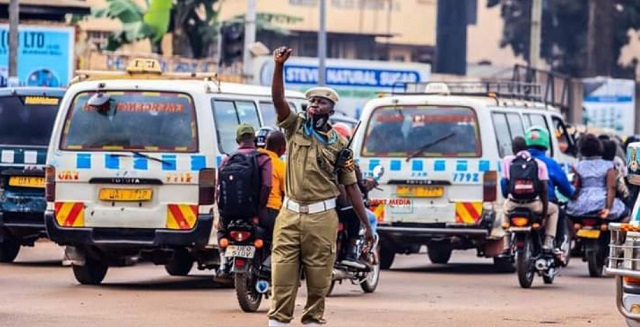
Self drive in Uganda can be interesting as it allows you to explore the country at your own pace without worry or following the group’s fixed schedule. However, for a memorable adventure, it’s important you put into consideration the new traffic set rules.
Uganda, the Pearl of Africa is generally a large space for extreme exploration and tourism that will forever give you an outstanding experience in your exploration history. A wide range of things make Uganda a sure Pearl, from the vibrant people and culture, eye-satisfying landscapes, diverse wild life, make her an icon of 4×4 self-drive safaris in Africa.
As you self drive in Uganda in a 4×4 vehicle, you will realize that Uganda has a lot to offer depending on your desired destinations and intended activities. If you are highly interested in wildlife, she has about ten National Parks that have their own categorical animals you will sight.
For example, Queen Elizabeth National Park is famous for tree-climbing lions, Bwindi and Mgahinga National Parks are famous for mountain gorillas and offer the best gorilla trekking experience in the world.
However, for a self-drive safari, you need to know what the road rules and regulations so that you stay out of trouble with traffic law enforcers. These laws include;
Speed limits on different road types:
In Uganda, one must drive depending on the road type they are using. Going beyond the speed limit of that specific road type calls for heavy fines. The road types and speed limits include:
Express ways: 100km/h
National Parks; 40km/h
Paved rural roads: 60-90km/h
Community access roads: 30km/h
Highways passing through towns: 50km/h
However, one may ask themselves how they will know what speed to drive on what road. This has been made easier by the Uganda government as there are signposts where there is need for change of speed.
Lower speed limits in urban areas
Uganda has a very busy capital, Kampala as it is a mixture of people, motor cycle riders and vehicles. Other urban areas outside the main city face the same issue and so this made the government put limits specifically for the urban areas.
These urban driving limits include:
30km/h in residential areas, near schools, markets and hospitals.
50km/h on urban roads and town centers.
These lower limits are to ensure the safety of pedestrians and also see to it that there is a reduction of fatal accidents in crowded areas.
Automated Traffic Cameras (EPS Auto)
The government of recent put the EPS system to easily detect those drivers who do not respect traffic lights and other rod signs. This system automatically generates a ticket for you at rebellion of a rule. It does this by capturing the vehicle license plate and send a fine automatically.
This new technology is set to detect:
Illegal lane changes
Running red lights
Speeding
Tougher penalties for reckless driving
As a result of being one of the great causes of fatal accidents in Uganda, the government of Uganda has obtained a zero tolerance policy for reckless driving. When you are spotted self-driving recklessly, the fine is heavier than the normal.
As a tourist, it is important to know that reckless driving is categorized in three ways namely:
Drunk driving
Careless driving (including not following road signs)
Driving without license or insurance
Penalties for such crimes range from UGX 200,000 to over UGX 1.8 million and others go for incarceration or suspension.
Digital enforcement an smart traffic systems
The government of Uganda has brought a new system called the Intelligent Transport Management System (ITMS). This system comprises of:
Electronic ticketing systems
Centralized traffic monitoring
Digital number plates
This system is not only for punishing law offenders but also to control corruption levels among traffic police officers
Heavier Fines for speeding
Fines have become tougher for causes of causes of accidents including speeding. These fines for speeding are set when you increase by certain km/h such as
UGX 200,000 for exceeding the speed limit by 1-30km/h
UGX 600,000 for exceeding the speed limit by over 30km/h
72 hours to pay traffic fines
Not as how it was in the previous years, traffic law offenders have less time to pay their fines, that is to say only three days, given the vehicle is to be on road. Those intending to self-drive should know that the fines cannot be erased from the system so however much one may dodge, or take many years without driving, the fine stays.
One should therefore note that previously, there was only 28 days to pay fines but under the new system, if it is not paid by 72 hours, the fine automatically increases by 50%